
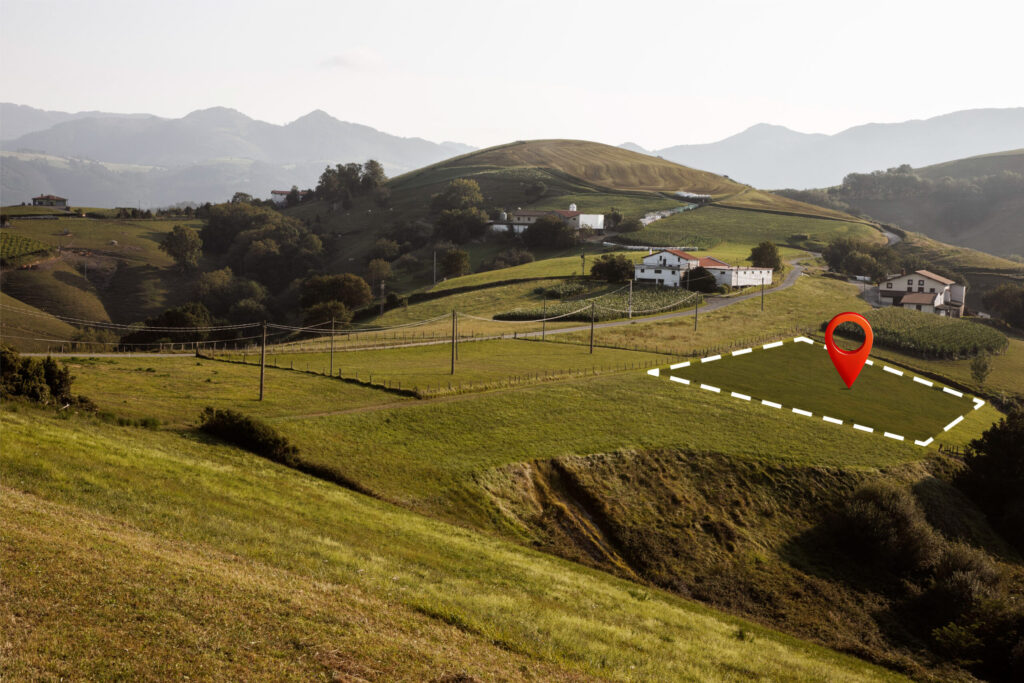
Plenty of people buy a lot near Killeen, Harker Heights, or Nolanville while stationed at Fort Cavazos (it was called Fort Hood until 2023). The plan might have been to build, to come back after retirement, or just to hold onto the land as an investment. Then new orders arrive, or you leave the service, and the lot is still sitting in Bell County. Now it’s a tax bill from a state you don’t live in anymore.
This guide is for owners in that spot. It covers what to gather, what affects the price of a Bell County lot, and how to sell without flying back to Texas.
Why So Many Bell County Lots Have Owners Who Live Elsewhere
Bell County sits on I-35 between Waco and Williamson County, and Belton is the county seat. It’s part of the Killeen–Temple metro area, and Fort Cavazos is right next to Killeen. The county had 370,647 residents in the 2020 Census, up from 310,235 in 2010. A lot of that growth came from people who arrived for a military assignment.
Military life means moving, so a lot bought during one assignment can easily outlast the assignment. That’s normal. You can sell from wherever you live now.
Step 1: Find Your Property in the Bell CAD Records
You don’t need a stack of paperwork to start. The Tax Appraisal District of Bell County (Bell CAD) keeps the appraisal record for every parcel. Search bellcad.org by your name or the property address and write down the property ID. That number is enough to get an offer started.
If you want a copy of your deed or the subdivision plat, the Bell County Clerk in Belton records real property documents (County Clerk page, 254-933-5160).
Want a number for your land?
Get a written cash offer within 48 hours.
Close in as little as 30 days, or on the date you choose.
Get My Free Written OfferPrefer to call? Alley answers (410) 220-4744.
Step 2: Know What Shapes the Value of a Bell County Lot
Two lots that look alike on a map can be worth very different amounts. These are the things a buyer checks:
- Location and access. Is the lot on a maintained road inside Killeen, Harker Heights, or Nolanville, or is it out on a rural road? Legal, recorded access matters more than how close it is to town.
- City rules versus county land. Texas counties generally don’t have zoning power, so unincorporated land usually has no county zoning. Cities and their extraterritorial jurisdiction can have zoning and subdivision rules, and deed restrictions or HOA rules can apply anywhere. Many subdivisions near the base have both.
- Water and sewer. If there’s no city sewer, building a house requires a permitted septic system under TCEQ rules. Whether a water tap is already available matters too.
- Flood zone. Low ground along the Leon and Lampasas rivers and their creeks can be in a FEMA flood zone. You can look up any parcel at the FEMA Flood Map Service Center.
- HOA dues and taxes. Unpaid dues or back taxes don’t stop a sale. They get settled out of the proceeds at closing, and the title company handles the payoff.
You don’t have to fix any of this yourself before you sell. You don’t need to mow, clear brush, or order a new survey.
Step 3: Choose How You Want to Sell
Out-of-state owners generally have three paths:
- List with a local agent. This can bring the highest price, but it takes time, commissions, and someone local to deal with showings, signs, and questions about the lot.
- Sell by owner. That means no commission. It also means you handle the marketing, buyer screening, and contract on your own, from a distance.
- Sell directly to a cash land buyer. A direct buyer like Stonepath Land makes a written offer, pays the closing costs spelled out in that offer, and closes through a title company. There’s no listing and no commission. You’ll usually trade some top-of-market price for speed and certainty.
There isn’t one right answer. If you’re comparing options, our post on selling vacant land without a realtor covers the tradeoffs in more detail.
Step 4: Close Remotely, Wherever You Are Stationed or Living
This step worries military owners the most, and it’s usually the easiest part. A licensed title company or attorney handles the closing. Most documents can be e-signed or signed with a mobile notary wherever you live, whether that’s another post, overseas, or a new hometown. You get paid through the title company.
A few situations can add steps:
- Joint ownership. If you and a spouse or former spouse both appear on the deed, both of you will normally need to sign.
- Power of attorney. If you’re deployed or otherwise can’t sign, ask the title company whether they’ll accept a power of attorney and what form it has to take.
- Name changes or divorce. The title company may ask for supporting documents.
Those are title and legal questions, so talk to a title company or attorney about your specific situation. This post isn’t legal or tax advice, and that includes questions about how a sale affects your taxes.
What About Lake Lots Near Belton Lake or Stillhouse Hollow?
Some owners didn’t buy in town. They bought a lot near the water. Belton Lake, on the Leon River northwest of Belton, and Stillhouse Hollow Lake, on the Lampasas River southwest of Belton, are both U.S. Army Corps of Engineers reservoirs. Lots in the shoreline communities can come with subdivision restrictions, owners’ association dues, Corps flowage easements near the water, and no city water or sewer. None of that rules out a sale. Each item gets checked and reflected in the offer.
How Stonepath Land Handles a Bell County Lot
Stonepath Land LLC is a principal buyer, not a broker. When you send a Bell CAD property ID, we research access, zoning, utilities, flood zone, and taxes using Bell CAD data, public records, and maps. Then we send you a written offer that states the price, the closing timeline, and how closing costs are handled. You can accept it, ask questions, or decline it. Nothing is binding until both sides sign a written purchase agreement.
For the full process, see How It Works. To see the towns and land types we buy across the county, visit our Bell County land page.
Ready to Stop Paying Taxes on a Lot You Left Behind?
Get a written cash offer within 48 hours.
Close in as little as 30 days, or on the date you choose.
No commissions, no realtor fees, and no obligation. Sign from wherever you’re stationed or living now.
Prefer to call? (410) 220-4744 · offers@stonepathland.com
This article is general information, not legal or tax advice. For questions about title, ownership, or taxes, talk to a title company or attorney.